From Espresso to Pastries: Enjoying a Cafe in Monument, CO
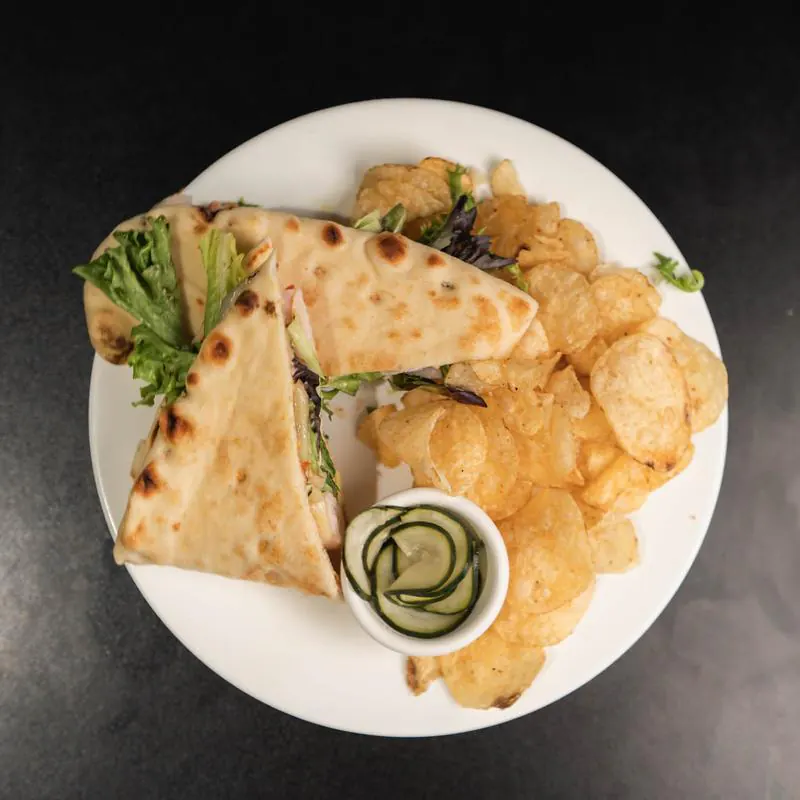
There is a particular pleasure in finding a cafe that gets the essentials right. Not flashy, not overly engineered, just right. The espresso lands with enough sweetness to soften the bitterness. The milk is textured, not foamed into a stiff cap. The pastry looks inviting in the case and tastes as though someone cared about the butter, the bake, and the timing. Add a comfortable room, a view of the street or the mountains, and a pace that lets you breathe, and you have the sort of place people return to without needing a reason.
That experience feels especially fitting in Monument. The town has a rhythm that rewards slowing down. People meet before work, after school drop-off, between errands, and on weekends when there is finally time to linger over a second cup. A good cafe in Monument, CO often becomes more than a stop for caffeine. It becomes part of the day’s shape, a place to settle in for twenty minutes or two hours depending on what life allows.
The appeal starts with contrast. Monument sits in a landscape that feels open and expansive, with bright light, shifting weather, and a sense of elevation that changes how you experience both hunger and thirst. On a cold morning, an espresso drink and a warm pastry can feel restorative in the most literal sense. On a sunny afternoon, an iced coffee and a flaky fruit tart can turn an ordinary break into something memorable. Good cafes understand that they are not only serving food and drink. They are serving comfort, routine, and a small measure of ceremony.
What makes a cafe worth returning to
People sometimes talk about coffee as if the beans are the whole story. Beans matter, of course. Roast level matters. Freshness matters. But the difference between a merely adequate cafe and one you seek out again usually comes from execution. Espresso is unforgiving. A shot can run too fast and taste thin or sour. It can pull too slowly and drift bitter, muddy, and flat. When a cafe is dialed in, you can taste the balance immediately. The acidity is present but controlled. The body feels syrupy. The finish lingers without turning harsh.
That level of consistency is harder than it looks. It depends on grind adjustments throughout the day, careful dosing, water quality, machine maintenance, and baristas who pay attention rather than relying on muscle memory. In a high-altitude setting like Monument, even small variables can show up in the cup, especially with baking and extraction. Dry air affects pastry texture. Temperature swings influence proofing and storage. None of this needs to be visible to the guest, but it is often the hidden reason one cafe feels polished while another feels unpredictable.
Pastries reveal just as much about a place as coffee does. A croissant should shatter lightly when you tear into it, not compress like bread. A muffin should have enough structure to hold together and enough tenderness to feel fresh, not crumbly in the stale sense. Cinnamon rolls, scones, danishes, and hand pies all ask for a different kind of restraint. Too much sugar covers flaws for a moment, then leaves everything tasting heavy. The best pastry cases show judgment. There may be fewer options, but each one earns its place.
A strong cafe also understands traffic flow. This sounds mundane until you visit on a busy Saturday morning. If the order line blocks the pastry case, customers rush and regret their choice. If pickup is crowded into the entrance, the room feels tense. If every chair is designed for appearance rather than comfort, people finish quickly and leave with the sense that the place was more photogenic than welcoming. Good design in a cafe is practical. It guides people gently, absorbs noise, and makes different kinds of visits possible. Some guests want a quick espresso at the bar. Others need a corner table and a reliable hour of concentration.
The espresso side of the experience
Espresso drinks are often ordered by habit, which can be a missed opportunity. In a quality cafe, a straight shot tells you a great deal. If you like coffee enough to drink it without milk or syrup, the espresso is the cleanest expression of what the cafe is trying to do. A well-pulled shot may show chocolate, toasted nuts, or caramel. It may lean toward citrus or berry if the roast is lighter. What matters most is not whether it tastes “bright” or “dark,” but whether it tastes coherent.
Milk drinks widen the audience and reveal a different skill set. A cappuccino should feel light but not hollow, with microfoam that blends into the espresso rather than sitting in a separate layer. A latte should soften edges without muting the coffee entirely. Mocha is often treated as a dessert in a cup, though in a cafe that respects ingredients it can be more balanced than people expect, especially when the chocolate tastes like cocoa rather than syrup. Even something as familiar as an americano can be revealing. Done well, it offers more nuance than standard drip coffee while preserving the deeper structure of espresso.
Temperature is a quiet marker of professionalism. Drinks served too hot sacrifice flavor and make the first several minutes pointless. Drinks served lukewarm feel careless. The best cafes serve coffee at a temperature you can actually enjoy, not one that asks you to wait. That sounds obvious, but it remains one of the simplest ways to tell whether a place thinks from the customer’s side of the counter.
If you are visiting a cafe in Monument, CO for the first time, it is often wise to order something simple on the first visit. An espresso, cappuccino, drip coffee, or plain latte leaves little room to hide. Once you know how the cafe handles the basics, then branch out into seasonal drinks or house specialties. This approach saves disappointment and gives you a better feel for the standards behind the menu.
Why pastries matter more than most people admit
Coffee may get people through the door, but pastry often determines whether the visit feels complete. There is a practical reason for that. Fat, sugar, and starch round out the sharper edges of coffee. A buttery pastry beside an espresso creates contrast. The bitterness sharpens the sweetness, and the sweetness softens the roast. It is one of the oldest pairings in cafe culture for a reason.
Still, not every pairing works equally well. Dense pastries can overwhelm delicate coffee. Very sweet glazes can flatten the subtlety in a lighter roast. On the other hand, a plain croissant with a bold americano can feel almost too restrained, depending on the moment. Part of the fun is matching intensity. A fruit tart or lemon loaf often works nicely with brighter coffees. Chocolate pastries pair naturally with darker espresso profiles. Savory baked goods can be ideal in the morning, especially if you want substance without sugar.
Freshness changes everything. A pastry baked well but held too long loses much of what made it special. Laminated dough softens. Fillings dry out. Glazes turn tacky. In better cafes, staff rotate stock carefully and know when to let something go rather than sell one more item that will not represent the kitchen well. That discipline is expensive, which is part of why consistently good pastry programs are harder to find than good coffee. Waste is real. So is labor. The payoff is that guests notice. Even people who cannot name the technical difference between a proper scone and an overmixed one can feel the difference in the first bite.
There is also an emotional side to pastry that menus rarely capture. People mark small occasions with baked goods. A parent sharing a cinnamon roll with a child after a school event, two coworkers splitting a scone during a midmorning meeting, a solo visitor treating a hard week with an almond croissant and a second latte, these are modest scenes, but they are part of why cafes matter. They give shape to ordinary life.
The atmosphere in Monument has its own flavor
Monument is not trying to be a major city, and that works in its favor. A cafe here can still feel like a gathering place rather than a turnover machine. You are more likely to see genuine regulars, people greeted by name, and conversations that stretch beyond transactions. That does not mean every cafe is quaint or slow. It means the better ones usually understand the social side of their role. They are where plans get made, local news gets exchanged, and a surprising amount of work gets done.
The setting also contributes to the mood. Light matters in Colorado, and cafes that make use of natural light immediately feel more inviting. On winter mornings, the warmth of sun through the window can do half the work of hospitality. On stormy afternoons, the contrast between weather outside and warmth inside becomes part of the charm. Seating near a window, a solid ceramic cup, and a pastry that was baked that morning can make a routine coffee break feel unusually restorative.
There is a practical dimension to altitude and climate too. Dry air changes what people often want from a cafe. Water becomes more important. Milk drinks can feel comforting in a way they might not in a humid climate. Baked goods dry out faster if not stored carefully. Even the simple act of walking in from cold wind alters what tastes good. A cafe that pays attention to these local realities tends to feel more in tune with its setting.
How to choose well on your first visit
A first visit to any cafe tells you plenty if you know where to look. The menu is only one clue. Watch the room for a minute before you order. Does the line move smoothly? Do the baristas seem calm under pressure? Are the tables being cleared at a reasonable pace? Is the pastry case full in a way that looks fresh, or just packed?
One of the most reliable signs is whether the simplest orders look appealing. If the drip coffee smells fresh and not burnt, if the cappuccino arrives with even foam and no sloshing, if the pastry crust has color and structure rather than a pale, soft look, then the basics are likely in competent hands. Bennies Cafe Cafe Monument, CO On the other side, an overloaded menu can be a warning. When a cafe offers every possible syrup combination, oversized sandwiches, blended drinks, and a dozen pastry styles without clear focus, consistency often suffers. Breadth is not automatically bad, but depth of execution is what makes a place dependable.
A reasonable first order often looks like this:
- A straightforward coffee drink, such as drip coffee, espresso, or a cappuccino.
- One pastry that shows technique, often a croissant, scone, or danish.
- Water on the side, especially in dry weather.
- Time to sit for a few minutes rather than rushing out immediately.
That brief pause matters. Coffee changes as it cools. Pastry texture shows best when you are not eating in the car. The room itself, the sound level, the comfort of the seat, and the way staff interact with guests all become part of your assessment.
A few pairings that rarely disappoint
If you enjoy exploring rather than defaulting to the usual, a little pairing logic goes a long way. Strong coffee can support richer pastries. Lighter, fruit-forward coffee tends to flatter less sugary baked goods. Savory pastries and black coffee make sense when you want clarity instead of indulgence. When in doubt, contrast is often more satisfying than doubling down on sweetness.
Here are a few pairings that usually work well:
| Coffee | Pastry | Why it works | | --- | --- | --- | | Espresso | Almond croissant | The roast cuts the butter and sweetness | | Cappuccino | Cinnamon roll | Milk softens the spice and sugar | | Americano | Ham and cheese croissant | Clean contrast, good for mornings | | Latte | Berry scone | Gentle coffee supports tart fruit | | Mocha | Plain croissant | The pastry keeps the drink from becoming too heavy |
None of these pairings are rules. They are starting points. Appetite, weather, and time of day all change what sounds good. A plain black coffee and a muffin can be exactly right at 7:30 in the morning and far less appealing at 3:00 in the afternoon, when a cortado and a small tart might feel sharper and more welcome.
The work-friendly cafe, and its trade-offs
Many people now expect a cafe to function as a temporary office. That expectation creates tension. A cafe wants repeat business and a lively room, but it also needs tables to turn and seats to remain available. Guests want comfort, outlets, and enough calm to focus, yet no one really wants to work in a room that feels silent and joyless.
The best compromise is usually a cafe that offers zones rather than one uniform atmosphere. Counter seats for quick stops, small two-tops for casual meetings, and a few more settled spots for laptops make the room flexible without sacrificing identity. If you plan to work for a while, judgment matters. Buy more than one item if you stay through a rush. Avoid peak hours if possible. Use headphones for meetings. Keep the footprint small. These are not hard rules, but they are part of being a good guest in a shared public space.
From the cafe’s perspective, hospitality has limits. Free refills, abundant seating, and long dwell times sound generous, yet margins in food service are thin. Coffee programs require equipment, training, labor, and constant upkeep. Pastry programs are even more labor-intensive. When guests understand that reality, the relationship tends to feel healthier. The cafe provides a pleasant setting and quality products. The guest supports the place in a way that keeps it viable.
Small details that separate a memorable visit from an average one
Often, what lingers after a cafe visit is not the headline item Cafe Monument, CO but the small signal of care. A clean spoon that arrives with the drink without being requested. A pastry warmed just enough, not scorched. Staff who can answer a simple question about flavor without reciting a script. Water available without hassle. Music at a volume that allows conversation. These are tiny decisions, yet they accumulate into trust.
Cleanliness is another one. Not sterile, just cared for. A pastry case free of smudges. Tables wiped promptly. Restrooms that do not feel forgotten. A condiment station that is stocked but not chaotic. People may not praise these things explicitly, but they notice when they are missing.
Then there is pacing. Some cafes rush orders out so quickly that the interaction feels mechanical. Others let drinks drag and create frustration. Good pacing feels attentive rather than hurried. You get the sense that the staff respect your time without acting as if every second is an emergency. That calm competence is one of the most attractive qualities any cafe can have.
Enjoying the place, not just the purchase
One easy mistake is treating a cafe as a retail transaction only. Order, pay, leave. Sometimes that is all the day allows, and there is nothing wrong with that. But when time permits, the fuller pleasure comes from inhabiting the space for a while. Sip the espresso before it cools too much. Tear the pastry in half instead of eating absentmindedly. Notice the room. Watch how the light changes on the tables. Listen to the mix of conversations, milk steaming, dishes settling into the bus bin, the ordinary soundtrack of a place doing its work well.
This is where a good cafe in Monument, CO really earns its place in local life. It gives people a pause that feels useful rather than idle. You can meet a friend there, read, review notes before a meeting, or simply take ten quiet minutes between obligations. The value is not extravagant. It is practical and repeatable, which is why it matters.
For visitors, that same quality can shape an impression of the town. A rushed stop at a chain coffee counter tells you very little about where you are. A morning spent in a local cafe, with a proper espresso and a pastry chosen carefully, tells you more. You see who comes in, how they greet one another, what pace the day keeps. You understand the place through its habits.
The strongest cafes know that this is what they are offering, whether they say so or not. Yes, they are selling espresso drinks, pastries, and seats by the window. They are also offering rhythm, warmth, and a dependable pocket of pleasure in the middle of ordinary life. That is why people remember them. Not because the experience was extravagant, but because it was done with skill and felt right for where they were.
A really good cafe visit does not need much explanation when it happens. The coffee is balanced. The pastry is fresh. The room feels settled. You leave a little more awake, a little more fed, and a little more grounded than when you arrived. In Monument, that combination feels especially easy to appreciate.
Bennies Cafe
17230 Jackson Creek Pkwy Ste 100, Monument, CO 80132
+1 719-445-0660
FAQ About Cafe Monument, CO
What is considered a café?
A café is generally an informal place to enjoy refreshments and a meal. Bennies Cafe in Monument serves breakfast and lunch in a counter-service setting, with options including eggs Benedict, sandwiches and crepes. Guests can eat in or arrange pickup.
What is the difference between a coffee shop and a café?
The terms often overlap. A coffee shop usually emphasizes coffee and other drinks, while a café may offer a broader food menu. Check the individual establishment's menu rather than relying on its name. Bennies Cafe offers coffee drinks alongside breakfast and lunch dishes.
What is the difference between café and coffee?
In everyday English, a café is a place where people buy food and drinks, while coffee is the beverage. The word café comes from the French word for coffee. Bennies Cafe serves options such as brewed coffee, espresso and lattes as part of its drinks menu.