How to Keep Your Cafe Profitable During Slow Seasons
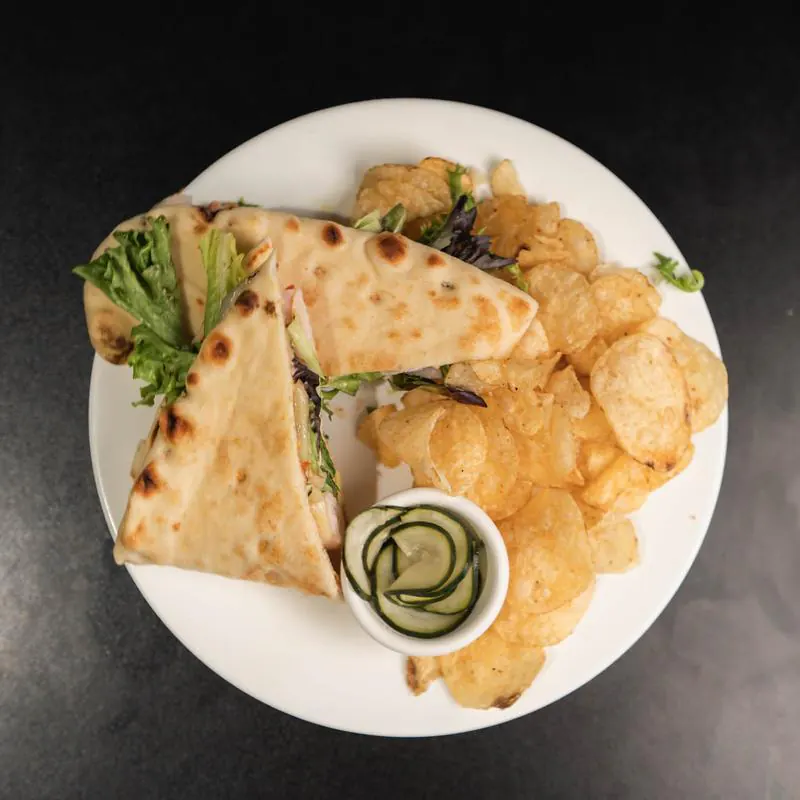
Every cafe owner eventually meets the same stretch of quiet weeks. The weather turns, foot traffic thins out, nearby offices empty during holidays, or a roadworks project cuts visibility at the worst possible time. Seats stay open longer. The pastry case looks too full at 2 p.m. Staff glance at the door more than the till. Slow seasons are not a sign that the business is failing. They are part of the rhythm of hospitality.
The problem is that a seasonal dip can do real damage when margins are already tight. Rent does not get lighter because January is slow. Utilities still arrive. Milk prices still move. Labor remains your biggest variable cost, but the choices around staffing affect service quality, team morale, and long term loyalty. Many owners respond by cutting too broadly and too late. They slash hours, reduce quality, stop marketing, and end up making the cafe feel even quieter. That usually saves less money than expected and costs more than it should.
A profitable slow season starts with a different mindset. You are not trying to survive by shrinking into invisibility. You are trying to protect cash, keep the business active, and make deliberate decisions while demand is lower. The best cafes use quiet periods to tighten operations, refine menus, deepen regular customer habits, and create smaller revenue streams that hold up when walk-ins soften.
Start with the numbers that actually matter
Most owners know their weekly sales. Fewer know exactly which products carry the business through lean months. If you want to protect profitability, you need a sharper view than total revenue.
Begin with four practical figures:
- average transaction value
- transactions per daypart
- gross margin by product category
- labor cost as a percentage of net sales
Those four metrics usually reveal the truth faster than a monthly profit and loss statement alone. A cafe can be busy and still lose money if low margin items dominate the mix. It can also look quiet and remain healthy if transactions are modest but profitable, labor is controlled, and waste is low.
I have seen owners panic over a 12 percent drop in sales, only to discover that the real issue was a menu skew toward low margin custom drinks and overproduction in the bakery case. I have also seen cafes maintain profit with fewer covers simply by lifting average spend by the price of one pastry per ticket and cutting spoilage in half.
If you have a point-of-sale system with category reporting, use it weekly during slow periods, not monthly. Monthly reporting hides drift. Weekly reporting lets you make small corrections before they become expensive habits. Compare this week to the same week last year if you have the history. If not, compare by daypart and by weather pattern. A rainy Tuesday should not be judged against a sunny Saturday.
Protect gross profit before you chase more sales
Owners often focus first on driving more people through the door. That matters, but there is usually more money available in margin protection than in a rushed promotion. Selling more of the wrong thing can make the slow season feel busier while profits erode.
Look closely at your menu. Every cafe has a few items that guests love and that also make financial sense. Those deserve prime placement, staff recommendation, and consistent execution. Then there are items that soak up labor, create waste, or require specialty ingredients that sit too long. Slow seasons expose these products because lower volume means ingredients turn more slowly and mistakes become costlier.
A practical example: a brunch-focused cafe may carry six house-made toppings, three specialty breads, and an elaborate garnish routine during peak months. In a quiet season, that same menu can quietly bleed cash. The better move is often to narrow the offering, feature the most popular and profitable combinations, and keep a shorter prep list. Customers rarely complain when the menu is edited well. They do notice freshness, speed, and confidence.
This does not mean making the cafe feel stripped down. It means editing with intent. A smaller menu can feel more thoughtful than a broad one if descriptions are clear and the products are excellent. A winter menu with a strong soup, two reliable sandwiches, a standout baked item, and a seasonal drink program can outperform a sprawling list that creates waste.
Portion control also deserves attention. During busy periods, overpouring and oversized servings get lost in the rush. During slow periods, they become visible in your margins. Check your milk usage against drink counts. Weigh bakery portions if needed. Review cup sizes, syrup pumps, and takeaway packaging. Tiny inconsistencies multiplied over six slow weeks can swallow a meaningful share of profit.
Make the cafe worth visiting for a specific reason
General appeal is useful in high-traffic months. Slow seasons reward specificity. People need a stronger reason to come in when the weather is poor, routines change, or budgets tighten.
That reason does not have to be dramatic. It just has to be clear. Perhaps your cafe becomes the place for a dependable weekday breakfast before school drop-off. Perhaps it becomes known for a quiet mid-morning work block with good coffee and strong Wi-Fi. Perhaps it becomes the neighborhood’s warm soup and toast stop when afternoons turn cold. The point is to occupy a precise role in the customer’s routine.
This is where many cafes get marketing wrong. They post generic messages such as “Come grab a coffee” when what customers respond to is a timely, concrete offer or ritual. “Fresh cinnamon buns out at 8:15” gives someone a reason to move now. “Soup and half sandwich lunch combo until 2” speaks to a specific need. “Kids hot chocolate after school” works because it maps onto an existing behavior.
A suburban cafe I once worked with had a brutal dip every January and February after the holiday rush. Their answer was not a discount campaign. It was a weekday rhythm. They created a 7:00 to 9:00 a.m. Commuter bundle, tightened service so no order took more than four minutes, and promoted it to nearby school parents and local office tenants. At the same time, they introduced a 2:30 p.m. After-school mini menu with hot chocolate, banana bread, and toasties. Neither offer was flashy. Together, they smoothed two dead dayparts and gave the team a clearer operating rhythm.
Adjust staffing with precision, not fear
Labor is usually the first lever owners pull, and often the bluntest. Cutting too deeply creates slow service, weakens hospitality, and pushes regulars away right when you need them most. Keeping the same roster from peak season, on the other hand, can burn cash fast. The right answer sits in the middle.
Build your staffing around actual sales patterns, not habit. Many cafes keep opening, Cafe mid, and closing shifts largely unchanged all year because that is how the schedule has always been built. Slow periods are the time to re-examine those assumptions. You may need fewer people in the first hour, a later bakery prep start, or one hybrid role that covers both register and floor for part of the day.
Cross-training matters here. The more flexible your team is, the less you need to overstaff for coverage. A barista who can handle basic food assembly, a supervisor who can receive deliveries and update the pastry case, and a front-of-house worker who can close down efficiently all give you room to trim labor without degrading the guest experience.
There is also a human side to this. If hours must be reduced, communicate early and clearly. Good staff can handle a temporary reduction better than they can handle uncertainty and last-minute schedule changes. Some owners use slow seasons to schedule training, deep cleaning, recipe testing, and maintenance in place of pure service hours. That will not solve payroll pressure on its own, but it can make reduced traffic productive rather than demoralizing.
Build revenue streams that do not depend on random walk-ins
A cafe that relies only on spontaneous foot traffic is more exposed during quiet months. The antidote is not to become a different business. It is to add complementary sales channels that fit what your operation already does well.
Pre-orders are often the simplest place to start. Whole cakes, pastry boxes, office coffee carriers, sandwich platters, and bean subscriptions can create planned revenue with better forecasting. They also help production because they convert uncertainty into known demand. If ten breakfast boxes are booked for Friday, your purchasing and prep become smarter immediately.
Local business catering is another steadying force when dine-in slows. Small offices still hold meetings. Real estate agencies host viewings. Clinics run staff sessions. Creative studios need working lunches. You do not need a full catering arm to serve this market. A tight menu of trays, boxed lunches, and beverage cambros can go a long way if ordering is simple and delivery is reliable.
Retail shelves deserve more attention than they often get. Many cafes carry beans, jam, mugs, or granola as an afterthought. During slow seasons, that shelf can become a margin tool if curated properly. Products should be easy to explain, relevant to your brand, and worth the shelf space. House granola, well-priced coffee beans, brew gear, and seasonal gift items tend to make more sense than a cluttered display of miscellaneous goods that nobody asked for.
Events can work too, but only when they suit your neighborhood and your capacity. A tasting night, small coffee brewing class, book club partnership, or simple live music set can bring people in during an otherwise flat evening. The mistake is assuming every event creates profit. Some create buzz but lose money once staffing and prep are counted. Test carefully, keep the format simple, and measure the result honestly.
Tighten purchasing and reduce waste without making the place feel stingy
Waste is where slow seasons quietly hurt. Lower volume means more unsold pastries, more milk going out of date, more greens softening in the fridge, and more prepared food sitting too long. If your purchasing still reflects peak season habits, you will watch profit disappear one bin at a time.
The fix is disciplined ordering and better pars. That sounds obvious, but it takes work. Owners and chefs often remember the one day they ran out, not the six days they overbought. Slow-season pars should be based on the last two or three weeks of actual usage, adjusted for any promotions or local events ahead. If you order “just in case” too often, you are paying for fear.
Production planning is equally important. A full display case can create abundance, but abundance is expensive when sales are soft. There is no rule that says a pastry case must be fully loaded from open to close. A well-merchandised case with thoughtful replenishment often sells better than an overfilled one because it highlights freshness. Smaller batches, staggered bakes, and visible sell-through can support both profitability and perception.
One cafe I know shifted from a morning bakery drop of nearly everything to a two-wave system during winter. Core items were ready at opening, but slower sellers came later only if the first wave moved. Waste on baked goods fell by roughly a third within a month. Customers still saw a quality offer. The team simply stopped guessing as much.
Do not overlook utility costs either. They rarely make headlines, but they matter. Check whether equipment is left on longer than necessary, whether refrigeration seals need replacing, and whether heating is working against doors that never close properly. Slow seasons are often when these inefficiencies become visible because sales are not masking them.
Use pricing carefully and with confidence
Many cafe owners hesitate to touch prices during a slow season because they fear driving away already-cautious customers. Sometimes that fear is justified. Sometimes it is not. A smart pricing move can protect margin without damaging demand if it is done with care.
The first principle is that not every product should move together. If dairy costs rise sharply, milk-heavy drinks may need adjusting before filter coffee does. If labor-intensive brunch plates take too long and return too little, their price or portion needs review. If a particular pastry sells out daily even in slow periods, it may be underpriced.
Psychology matters. A modest increase on a premium seasonal drink is often accepted more easily than a sudden jump on a basic black coffee. Bundles can also improve value perception. A coffee and pastry offer at a clear combined price can lift ticket value without making individual line items feel expensive.
Watch your local market, but do not be trapped by it. Being the cheapest cafe nearby is rarely a durable strategy. Customers forgive fair pricing when quality is stable, service is warm, and the experience feels dependable. They resent inconsistent quality more than they resent a 30-cent increase.
Give regulars a reason to return more often
During busy months, new customers can cover operational flaws for a while. During slow months, regulars become the business. If you can lift visit frequency among people who already like you, you usually get a better return than trying to attract strangers with broad discounts.
That does not mean handing out random coupons. It means reinforcing habit. A simple loyalty program can help if it is easy to understand and does not train people to wait for freebies. A more effective approach is often a blend of routine, recognition, and timely offers.
Consider what makes a regular feel known. Staff remembering an order, a reserved corner for laptop users during quiet hours, a message that soup is back on a rainy day, or a pre-order option for their usual bean bag can matter more than a generic “10 percent off” blast. Customers return where they feel anticipated.
If you use email or text marketing, keep it specific and local. One good message a week usually beats daily noise. Mention fresh items, limited bakes, a practical lunch offer, or an upcoming event. If your cafe is near offices, schools, or transit, write for those patterns. Good cafe marketing often sounds less like advertising and more like a useful heads-up.
Market to the neighborhood you actually have
It is easy to waste money trying to attract everyone within five miles. Most profitable cafes during slow seasons win by going narrower. They become more relevant to the immediate area.
Look outside your windows and map your real catchment. Are you surrounded by apartments, schools, a gym, a library, medical offices, or commuters? Each environment points to different demand. A family-heavy area may respond to after-school offers and weekend treats. An office cluster may want quick breakfast bundles and meeting catering. A residential neighborhood may support take-home soup, bread, and beans in the evening.
Partnerships can help if they are practical. A flyer exchange with a local bookstore, a coffee and pastry arrangement with a nearby florist on weekends, or a simple corporate order sheet dropped at offices can outperform expensive digital campaigns. The goal is not reach for its own sake. The goal is frequency among likely buyers.
There is also room for old-fashioned observation. Watch when people pass and do not stop. Is your board hard to read? Does your entrance look closed when it is open? Are your best items hidden behind the counter? Quiet seasons are ideal for fixing the kind of small friction that drives away sales one customer at a time.
Use the slower period to improve the operation itself
A well-run slow season can pay you back in the busy one. When the queue is shorter, you can see more clearly what needs work. This is the moment to retrain on drink standards, simplify prep stations, revise recipes, service equipment, update signage, and clean deeply in ways that are impossible when the cafe is full.
This matters because profitability is not only a sales problem. It is often an execution problem. A bar layout that causes two extra steps per drink, a fridge placed in the wrong corner, or a muddled handoff area can cost labor all year. Quiet periods give you the breathing room to notice and correct these flaws.
One owner I know used a slow February to rebuild the front counter workflow. Cups, lids, pastry bags, and till placement were all rethought after several observations of how staff moved. The changes looked minor on paper. In practice, average service speed improved enough to matter during spring weekends, and the team felt less fatigued. That kind of improvement does not show up as a dramatic slow-season campaign, but it raises profit over time.
Know when to hold steady and when to change course
Not every slow week demands a new initiative. Overreacting can be as costly as underreacting. A rainy fortnight, a school break, or a local event pulling traffic elsewhere may correct on its own. The skill is in separating a normal seasonal dip from a real structural issue.
If guest counts are down but margins hold and cash is manageable, your best move may be operational discipline and calm communication. If sales are down sharply, waste is climbing, and labor is out of line for more than a few weeks, you need faster intervention. That might mean menu cuts, revised opening hours, or an aggressive push on pre-orders and catering.
Here is a practical test for deciding what to change next:
- if demand is soft, improve relevance and local marketing
- if sales are steady but profit is weak, audit menu mix and waste
- if service quality is slipping, revisit staffing and training
- if cash flow feels tight, push pre-sold orders and shorten inventory exposure
- if nothing is clearly wrong, measure for two weeks before making bigger moves
The common thread is intention. Profitable cafes do not drift through slow periods hoping things improve. They read the business closely, make measured adjustments, and protect the guest experience while trimming what no longer serves them.
A cafe does not need to beat seasonality to stay healthy. It needs to understand it. Quiet months can be frustrating, but they can also sharpen Cafe the operation, strengthen customer habits, and reveal where profit is truly made. Owners who treat slow seasons as a management test rather than a verdict usually come out stronger, leaner, and better prepared for the rush when it returns.
Bennies Cafe
17230 Jackson Creek Pkwy Ste 100, Monument, CO 80132
+1 719-445-0660
FAQ About Cafe
What is considered a café?
A café is generally an informal place to enjoy refreshments and a meal. Bennies Cafe in Monument serves breakfast and lunch in a counter-service setting, with options including eggs Benedict, sandwiches and crepes. Guests can eat in or arrange pickup.
What is the difference between a coffee shop and a café?
The terms often overlap. A coffee shop usually emphasizes coffee and other drinks, while a café may offer a broader food menu. Check the individual establishment's menu rather than relying on its name. Bennies Cafe offers coffee drinks alongside breakfast and lunch dishes.
What is the difference between café and coffee?
In everyday English, a café is a place where people buy food and drinks, while coffee is the beverage. The word café comes from the French word for coffee. Bennies Cafe serves options such as brewed coffee, espresso and lattes as part of its drinks menu.