How to Make Your Cafe the Best Spot for Morning Coffee
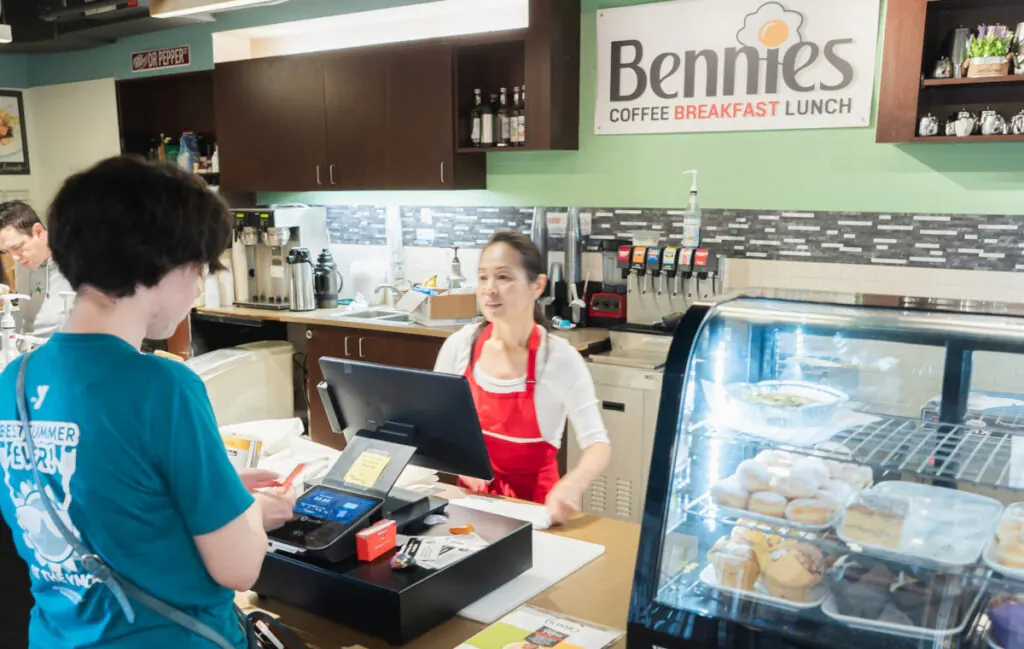
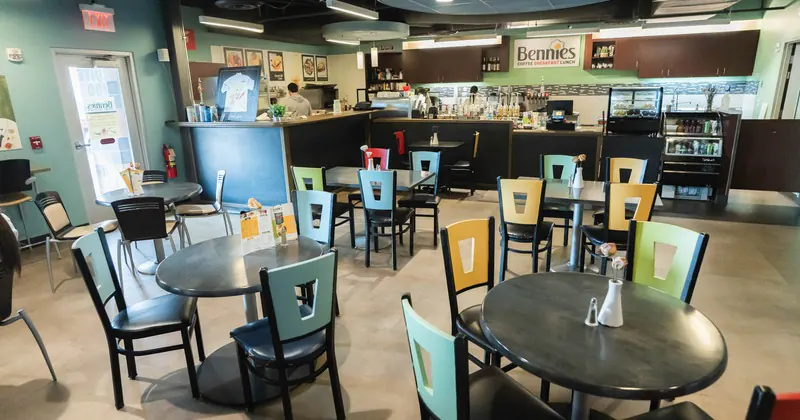

The morning crowd does not give second chances easily. People arrive half-awake, short on time, and full of habits. If they choose your cafe at 7:15 on a Tuesday, they are not just buying caffeine. They are borrowing part of their morning from you. That exchange is intimate, practical, and surprisingly fragile.
A great morning cafe earns trust in small increments. The lights are warm but not sleepy. The coffee is ready without tasting rushed. The pastry case looks fresh at 6:45, not like it was arranged the night before and forgotten. The person at the register moves with purpose and remembers that one regular wants an extra-hot flat white with no chatter before 8:00. None of this feels glamorous from the inside, but customers can feel the difference immediately.
Owners sometimes chase atmosphere first because it is visible. New tiles, better chairs, a trendier logo, a mural for social media. Those things can help, but the best morning spot in town is usually built on sharper fundamentals. Speed, consistency, aroma, comfort, and rhythm matter more than decoration. A cafe that understands morning understands that people are looking for a dependable ritual, not a performance.
Start with the real morning customer
The fastest way to improve a cafe is to stop imagining customers in broad lifestyle categories and start observing how they actually behave between opening and 10:00 a.m. Morning traffic usually falls into a few overlapping groups. There are commuters who need efficiency above all else. There are remote workers claiming a table before the rush. There are parents after school drop-off, retirees who enjoy a slower cup, and regulars who want the comfort of being known. One room can serve all of them, but not if every decision is designed for only one type.
A cafe that works in the morning has to recognize the difference between a destination and a stop along the way. If most of your guests are on foot, your flow needs to get them in and out quickly. If many drive in, parking and pickup ease matter more than owners often admit. If you are near offices, speed from 8:00 to 9:00 matters far more than late-morning ambiance. If you are in a neighborhood with schools nearby, your busiest ten minutes may happen at a different time than you expected.
Spend a week watching the room with a notebook. Not sales totals, actual behavior. How long does it take from door to drink in hand? Where do people pause awkwardly? Which tables fill first? How often do customers stand blocking the pastry case while deciding? How many leave because the line feels too slow? Those observations are more valuable than broad advice because they reveal what your specific cafe is asking people to tolerate.
Morning customers forgive very little friction. They do not want to decode your menu board. They do not want to discover that oat milk triggers a longer wait because the station is poorly arranged. They do not want to wonder whether the drip coffee is fresh. They especially do not want to feel that the staff is less awake than they are.
Make speed feel effortless, not frantic
Speed is not just a stopwatch issue. Guests read speed emotionally. A rushed, tense room feels slow even when tickets move fast. A calm room with clear systems feels efficient even if people wait three or four minutes. The goal is to create visible control.
The front counter should answer questions before customers ask them. Menus must be easy to scan in seconds, with morning bestsellers easy to spot. If your menu is long, build structure into it. Put core espresso drinks first, not buried in a decorative layout. If you offer seasonal specials, they should be compelling enough to justify the mental load they add. One memorable morning special often outsells four confusing ones.
Bar setup matters more than many cafe owners realize. The best morning bars are arranged for the first three hours of service, not for abstract all-day flexibility. Cups, lids, milks, sugars, stirrers, and pastry bags should all reduce steps. Every extra pivot, reach, or search adds drag. In a busy hour, saving two seconds per drink can become the difference between a manageable line and a room that starts losing people.
Pre-batching can help, but only if quality survives. Batch-brewed filter coffee should taste alive, not merely acceptable. House-made syrups need consistency and shelf discipline. Pastries should be staged for quick service without looking handled. If breakfast sandwiches are part of the offer, think carefully about their place in the morning system. They can drive ticket value beautifully, but a hot food bottleneck can slow your entire coffee line if production is not separated or tightly timed.
One practical test works well. Ask a friend who knows cafes but does not work in yours to order during your busiest half hour. Tell them to notice what feels confusing, what feels slow, and where staff communication breaks down. Operators become blind to their own choreography. Outsiders spot hesitation instantly.
Coffee quality has to be boringly consistent
Great morning coffee is less about occasional brilliance and more about repeatability. Customers who come three times a week are not hoping to be surprised. They want yesterday’s good cup again. That places a premium on discipline.
Dialing in espresso once at opening is not enough, especially during weather shifts, heavy volume, or bean changes. Morning service puts pressure on grinders, staff focus, and milk texture. Even strong teams can start loose if they treat the first hour as survival mode rather than the most important quality window of the day. A cappuccino that is excellent at 6:30 but merely decent at 8:20 weakens the entire habit loop you are trying to build.
Drip coffee deserves unusual attention because it is often the first product judged by your highest-frequency customers. It should be fresh, hot without tasting scorched, and replenished deliberately. Too many cafes obsess over latte art while serving stale batch coffee to the people who come most often. That is a strategic mistake. Your plainest cup needs to be trustworthy.
Milk drinks need consistency in temperature and texture, not just visual appeal. Many morning regulars order the same drink daily and know exactly how it should feel in the hand. If one barista serves a silky, sweet flat white and another serves a hotter, foamier version, customers notice even if they never say so. Good training reduces those swings, but so does clear internal language. Define what “extra hot” means in your shop. Define cup fill standards. Define remakes without drama.
A strong cafe also knows where to simplify. If a complicated signature drink slows service and sells only a handful each morning, it may not belong in the opening rush. A menu earns the right to complexity after it masters the basics.
The room should wake people up, not wear them out
Morning atmosphere is often misunderstood. A cafe does not need to be loud to feel lively, nor minimalist to feel efficient. It needs the right kind of energy.
Light plays a larger role than decor budgets. If possible, welcome natural light and avoid making the room feel dim before 9:00. Artificial lighting should be warm enough to feel inviting but bright enough that customers can read, meet, or work without strain. Music should support pace, not fight it. Early morning playlists that are too sleepy flatten the room. Music that is too aggressive can make regulars finish quickly and leave. The sweet spot has movement without noise fatigue.
Seating should reflect actual use patterns. If your tables are all small and closely packed, laptop users will sprawl uncomfortably and groups will clog the flow. If everything is oversized lounge seating, quick coffee guests will avoid staying because they feel they are taking up too much space. A balanced room offers a few quick perches, some comfortable two-tops, and several stable surfaces for longer stays.
Cleanliness in the morning carries extra symbolic weight. A smudged front door, sticky condiment station, or overflowing bin at 8:10 suggests a lack of control. Guests assume that if the visible details are slipping this early, invisible ones may be Cafe too. On the other hand, a tidy room tells customers they are stepping into a place that has already taken care of itself before taking care of them.
Scent matters too. A cafe should smell like fresh coffee, baked goods, and clean air. Burnt espresso, bleach, stale fryer oil, or last night’s mop water will undermine even the nicest design. Morning customers process scent instantly, often before they consciously register anything else.
Build a breakfast offer that supports coffee, not competes with it
Food can transform a morning business, but it can also damage coffee service if the menu outruns the operation. Cafe The best breakfast offer in a cafe feels integrated. It suits the pace of the room, the skills of the staff, and the expectations of the neighborhood.
Pastries are the easiest place to start because they pair naturally with coffee and move quickly. The standard should be freshness and restraint. A smaller case that looks full and replenished is more appetizing than a giant display with tired items lingering until late morning. Customers do not need twenty choices at 7:30. They need six to ten solid ones that look worth the stop.
Savory items can deepen loyalty, especially among regulars who do not want sugar every day. A good breakfast sandwich, small tart, or yogurt and granola option can lift average spend meaningfully. But operationally, each food item should answer a hard question: can we serve this at our busiest moment without disrupting drinks? If not, can we prep differently, narrow the menu, or separate the pickup flow?
Portion size matters more in the morning than some owners expect. People on their way to work often want food that feels substantial but not heavy. A sandwich too large to eat neatly in the car is less useful than one that is compact, hot, and reliably good. That kind of practicality is not unromantic. It is exactly what builds habit.
One cafe I worked with improved morning sales not by adding more menu items, but by removing three slow sellers and tightening production on two core breakfast options. Ticket times dropped, staff stress fell, and customers began adding food more often because the process felt predictable. Variety had been getting in the way of confidence.
Train staff for recognition, pace, and recovery
Morning service is where staff performance becomes brand identity. Customers may forget your wall color, but they will remember whether the team looked ready for them.
A strong morning team combines warmth with economy. Hospitality does not always mean conversation. Some regulars love being greeted by name. Others want efficient kindness and minimal small talk until their first sip. Skilled staff can read that difference. They know when to be bright, when to be quick, and when to keep things moving.
Opening routines should be detailed enough that nobody improvises essential tasks. Espresso should be dialed in before doors open. Pastries should be labeled and displayed cleanly. Till floats, music, milk stock, restroom checks, and takeaway supplies should all be settled. If the team starts the morning already behind, customers feel it immediately.
The best staff training for a cafe includes service recovery. Drinks get made wrong. A grinder clogs. A customer spills a coffee while juggling a stroller and a bag. What matters is whether the response is smooth. Morning guests can forgive mistakes when the correction is confident and fast. They do not forgive defensiveness, confusion, or long silences while staff decide who is responsible.
A concise standard for morning staff can help:
- Acknowledge every guest quickly, even if the line is long.
- Keep the counter and handoff area visibly organized.
- Remake errors without debate.
- Restock before items run out, not after.
- Protect the pace of the line during peak minutes.
That kind of clarity reduces friction inside the team as much as it improves customer experience. Morning rushes expose every vague expectation. Specific habits create calm.
Regulars are built through memory
Most profitable morning cafes are not powered by tourists or occasional weekend traffic. They are powered by repeat visits. A regular is not just someone who likes your coffee. A regular is someone who has decided your place fits their life.
Memory is the lever. Remembering names helps, but remembering preferences helps more. The barista who asks, “same as yesterday?” has done more for retention than many expensive loyalty campaigns. Even small details matter, like knowing which customers take a receipt, which want a water on the side, which usually add a croissant on Fridays.
Digital loyalty systems can support this, especially for busy shops where card scans are easy and rewards are simple. But no app can replace the feeling of being recognized. If a cafe wants to become the default morning stop, it should think beyond points and focus on personal rhythm. Who comes in at the same time daily? Who changed their order recently? Who used to visit three times a week and now comes once? Those patterns tell you whether habits are strengthening or slipping.
There is also real value in protecting regulars from unnecessary disruption. If you redesign the menu board, keep core items easy to find. If you change beans or cup sizes, communicate clearly. If you raise prices, do it cleanly and with confidence rather than quietly forcing awkward conversations at the register. Morning customers do not like surprises in systems they rely on.
Convenience often beats charm
Owners sometimes underestimate how much the best morning cafe is shaped by practical convenience. Lovely branding cannot overcome awkward opening hours, unclear takeaway flow, or inconsistent parking access. People choose where to stop partly based on emotional pull, but they return based on ease.
If your doors open at 7:00 and nearby workers start at 7:30, you may already be too late for a large segment of potential regulars. Opening even thirty minutes earlier can change a business if the neighborhood supports it. The same goes for mobile ordering, curbside pickup, or a dedicated takeaway shelf. These tools are not mandatory everywhere, but in some locations they create a meaningful edge.
Signage deserves a mention here because many cafes handle it poorly. Customers approaching in the morning need instant clarity. Are you open? Where do they order? Is there a separate line for pickup? Are breakfast items available yet? Ambiguity creates hesitation, and hesitation in the morning often sends people elsewhere.
Even your exterior matters. A clean sidewalk, visible opening hours, decent lighting, and a quick impression of life inside all influence whether someone becomes a repeat customer. Morning trade is often won before a person touches the door.
Price for trust, not just margin
Pricing in a cafe is delicate because morning customers notice patterns. They know what they paid last week and what they pay elsewhere. That does not mean you must be cheapest. It means your pricing has to feel coherent.
People willingly pay more for a cafe that is consistently good, efficient, and pleasant. They resent paying premium prices for inconsistency or delay. If your flat white costs more than nearby competitors, there should be obvious reasons, such as better execution, stronger hospitality, superior beans, or a noticeably better environment. Value is not just product size. It is total confidence.
Bundles can work if they match real behavior. A coffee and pastry pairing priced modestly below separate items often lifts morning spend without feeling gimmicky. But avoid overcomplicated promotions that slow the till or require staff explanations during peak periods. Morning customers do not want to solve pricing puzzles while half awake.
Review margins item by item, especially on food that creates labor drag. Sometimes the profitable-looking sandwich is quietly reducing total revenue because it slows fifteen drink orders behind it. Smart pricing decisions consider throughput, not only ingredient cost.
Small signals create a reputation
What makes a cafe become known as the morning place in a neighborhood? Rarely one dramatic feature. More often it is a stack of small signals that become shared local knowledge.
People tell each other where the line moves fast. They mention where the coffee is still good when it is busy. They notice whose pastries sell out because they are fresh, not because the shop under-orders badly. They appreciate when a place opens on time every day, even in rough weather. Reliability becomes reputation.
If you want to strengthen those signals, look closely at the final details that shape recall:
The first sip should be good enough that people notice it before checking their phone.
The takeaway cup should travel well without flimsy lids or drips down the side.
The handoff should feel clear, with names or drink calls loud enough to hear but not chaotic.
The bathroom should be clean at 8:30, not just at opening.
The last customer in the rush should receive the same care as the first.
None of these details is expensive on its own. Together, they define whether your cafe feels professionally run or merely charming.
What the best morning spots understand
The best morning cafe is not always the trendiest one. It is the one that respects the role it plays in people’s lives. Morning is when customers are least patient and most loyal at the same time. If you serve them well, with consistency, comfort, and practical intelligence, they come back often enough to shape the whole business.
That means building for repeatability. It means treating layout as strategy, not decoration. It means training staff to move with confidence and read the room well. It means protecting coffee quality when volume rises, editing the food offer so it supports the rush, and paying attention to every point where convenience can improve.
A truly strong cafe feels easy from the customer side because someone has done the harder work behind the scenes. That is the standard worth aiming for. When people start saying, “I only get my morning coffee there,” you have moved beyond serving drinks. You have become part of the neighborhood’s routine, and that is where a cafe becomes hard to replace.
Bennies Cafe
17230 Jackson Creek Pkwy Ste 100, Monument, CO 80132
+1 719-445-0660
FAQ About Cafe
What is considered a café?
A café is generally an informal place to enjoy refreshments and a meal. Bennies Cafe in Monument serves breakfast and lunch in a counter-service setting, with options including eggs Benedict, sandwiches and crepes. Guests can eat in or arrange pickup.
What is the difference between a coffee shop and a café?
The terms often overlap. A coffee shop usually emphasizes coffee and other drinks, while a café may offer a broader food menu. Check the individual establishment's menu rather than relying on its name. Bennies Cafe offers coffee drinks alongside breakfast and lunch dishes.
What is the difference between café and coffee?
In everyday English, a café is a place where people buy food and drinks, while coffee is the beverage. The word café comes from the French word for coffee. Bennies Cafe serves options such as brewed coffee, espresso and lattes as part of its drinks menu.